
wall mirror with lights for bedroom
The Versatility of a 36-Inch Level with Ruler A Critical Tool for Precision When it comes to construction, woodworking, and various DIY projects, the tools we use can significantly impact the quality and precision of our work. Among these tools, the 36-inch level with ruler stands out as a quintessential instrument that marries functionality with versatility. This article explores its importance, uses, and benefits, making it clear why this tool deserves a spot in every craftsman’s toolkit. Understanding the 36-Inch Level A 36-inch level is a long, straight tool designed to determine whether a surface is level (horizontal) or plumb (vertical). Traditionally made from durable materials like aluminum or wood, the level features vials filled with liquid that indicate the position of the tool relative to gravity. The addition of a ruler along one edge further enhances its utility, offering measurement capabilities that save time and improve accuracy. Essential Uses in Various Projects In construction, ensuring that structures are built on a level plane is paramount. Whether laying foundations, installing cabinets, or affixing shelves, the 36-inch level is indispensable for obtaining a properly aligned result. Its length allows it to span larger surfaces, making it ideal for measuring and leveling wide beams or long runs of material, which would be more cumbersome with shorter levels. Woodworkers appreciate the 36-inch level not only for leveling but also for checking the accuracy of cuts and alignments. When building furniture or creating intricate joinery, a level helps eliminate errors that could lead to instability or aesthetic issues. The ruler also serves as a guide for marking measurements while ensuring that both distance and levelness are maintained during the crafting process. The Advantages of the Ruler Feature Incorporating a ruler into the level maximizes its efficiency. It allows users to measure distances precisely when leveling items, negating the need for a separate measuring tape in many situations . This is particularly useful when working in confined spaces where pulling out a longer tool could be impractical. 36 inch level with ruler Moreover, features like marked increments help users quickly gauge the height or depth needed for a project. Whether you’re installing kitchen cabinets or hanging artwork, the 36-inch level with a ruler streamline your workflow, ensuring that measurements are consistent and reliable. Enhancing Accuracy and Reducing Errors The combination of a level and ruler significantly reduces the margin for error in any project. An uneven surface can lead to critical issues, from structural weakness to visual misalignment. By regularly utilizing a level, craftsmen can catch discrepancies early, correcting them on-site before they evolve into larger, more costly problems. The ease of use that a 36-inch level offers with its simple operation means that both professionals and amateurs alike can achieve high standards of accuracy. The tangible peace of mind that comes with knowing your project is level cannot be overstated. It instills confidence, allowing builders and DIY enthusiasts to focus on creativity rather than fretting over basic alignment issues. Portable and User-Friendly Design Most 36-inch levels are lightweight yet robust, making them portable and easy to handle. Some models even offer additional features, such as magnetic edges for enhanced stability when working with metal surfaces or carrying handles for ease of transport. User-friendly designs ensure that even those new to construction or woodworking can effectively and comfortably use a level. The clear readability of the vials and the ruler measurements means that anyone can achieve professional-level results with practice. Conclusion The 36-inch level with ruler is not merely a tool; it’s an essential ally for anyone looking to craft with precision. Its dual functionality allows for accurate leveling and measuring, significantly enhancing workflow efficiency and reducing error. Whether you are a professional contractor, a dedicated woodworker, or an enthusiastic DIYer, incorporating a 36-inch level with a ruler into your toolkit will undoubtedly elevate your craftsmanship. Investing in this versatile tool may seem simple, but the quality of your work will reflect the details it helps you to perfect. In woodworking and construction, precision matters—make sure you have the right tools at your side to support your vision.
about
wall mirror with lights for bedroom
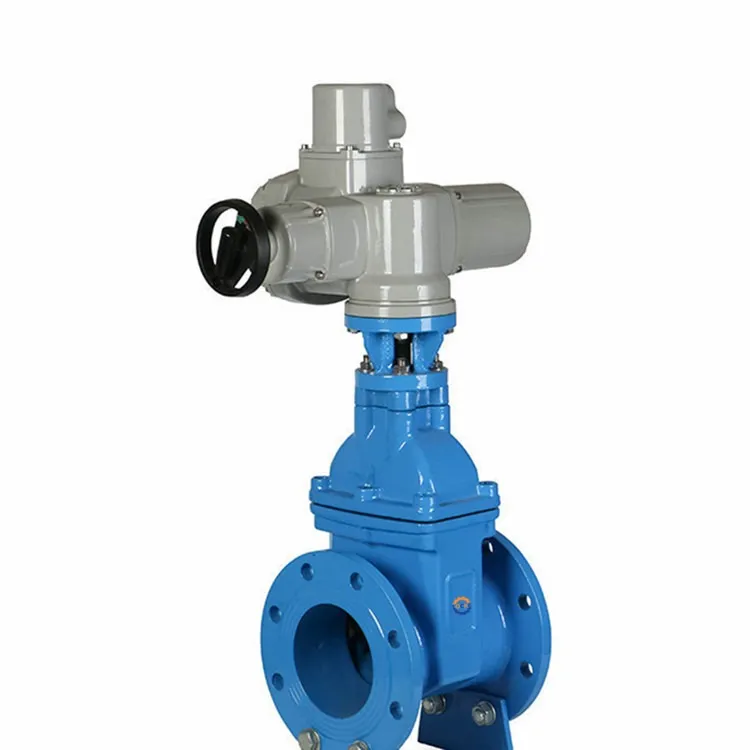
The Pricing Dynamics of 1% 2% Inch Gate Valves Gate valves are a crucial component in various industrial applications, particularly in water, oil, and gas pipelines. Their primary function is to allow or block fluid flow and they are preferred in situations where minimal flow restriction is required. Among the various sizes available in the market, 1% and 2% inch gate valves are particularly popular due to their versatility and efficiency. Understanding the pricing dynamics of these valves is essential for both manufacturers and consumers. Market Trends Influencing Prices The price of 1% and 2% inch gate valves varies based on several factors, including material, size, brand reputation, and manufacturing processes. Typically, gate valves are made from materials such as brass, stainless steel, carbon steel, and PVC. The choice of material significantly affects the pricing. For example, stainless steel valves are generally more expensive than those made from brass due to their superior durability and resistance to corrosion. Additionally, brand reputation plays a significant role in price determination. Established brands with a track record of quality often command higher prices. This is because consumers are willing to pay a premium for reliability, which is paramount in industrial applications where valve failure can lead to costly downtimes and safety hazards. Bulk Purchasing and Market Access Another factor affecting the price of gate valves is the scale of purchase. Bulk purchasing often leads to discounts. Many suppliers provide cost-effective deals to businesses that require large quantities of valves for projects, thereby lowering the per-unit cost. For small companies or individuals, purchasing from local hardware stores may result in higher pricing due to lower volume sales and increased overhead costs. 1 2 inch gate valve price The accessibility of the valves in different markets can also impact pricing. Regions with high demand and limited supply may see increased prices, while areas with ample supply and competition may benefit from lower prices. Also, economic conditions, such as inflation rates and currency fluctuations, can affect material costs and subsequently the final pricing of gate valves. Features and Specifications Special features or specifications on gate valves, such as enhanced sealing mechanisms, automated functions, or specific certifications (like NSF for potable water) can also elevate their costs. Buyers looking for valves with specific features must be prepared to invest more; however, these features often provide additional reliability and longevity, making them a worthwhile investment in the long term. Conclusion As of late 2023, the price range for 1% and 2% inch gate valves can vary significantly based on the mentioned criteria. On average, prices may range from $20 to $300 or more per valve, depending on the specifications and materials used. Customers are advised to conduct thorough market research before making purchases. By comparing prices across various suppliers and considering the total cost of ownership, including maintenance and potential downtime, consumers can make informed choices that align with their operational needs and budget. In summary, the pricing of 1% and 2% inch gate valves is influenced by a multitude of factors, including manufacturing materials, brand reputation, quantity purchased, and additional features. Understanding these dynamics will not only aid consumers in making cost-effective purchases but also help manufacturers in positioning their products in an increasingly competitive marketplace. As industries continue to evolve, keeping an eye on trends and price fluctuations in the valve market will be key to successful procurement strategies.
-

High quality industrial productsagement

High quality industrial products
View Details -

Meet the diverse needs of customers

Meet the diverse needs of customers
View Details -

Strict quality control

Strict quality control
View Details -

Top raw materials

Top raw materials
View Details -

Trusted supplier

Trusted supplier
View Details
Our application


news and information
welded globe valve
Understanding Welded Globe Valves A Comprehensive Overview Welded globe valves are vital components
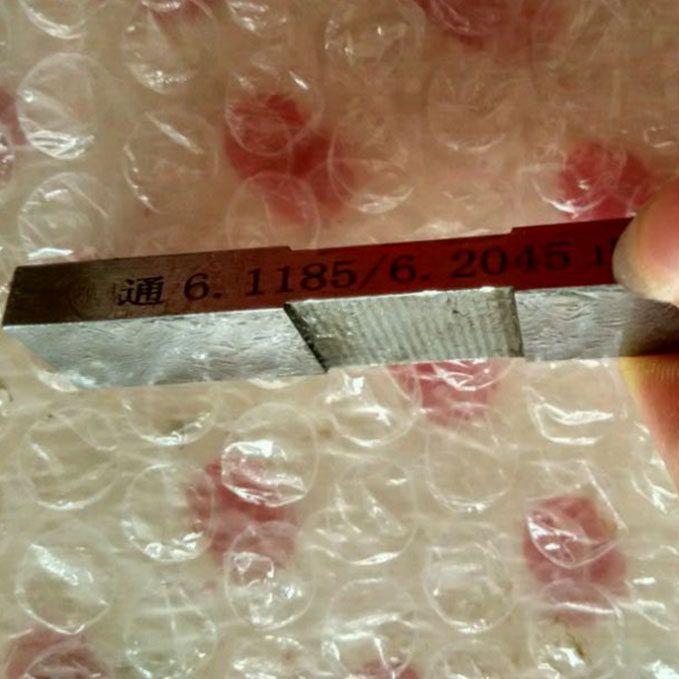
Valve Selection Guide for Industrial Applications
As a leading wholesaler in industrial equipment, Storaen (Cangzhou) International Trading Co. unders
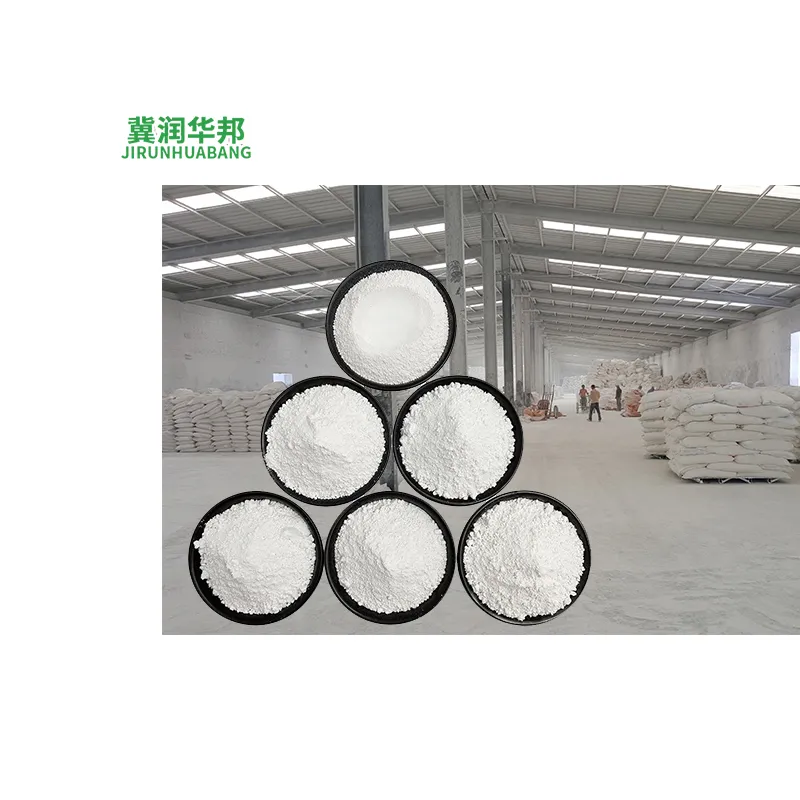
valve manufacturer
Navigating the landscape of valve manufacturers can be a challenging endeavor, particularly when sea
 English